Choosing the right access control solution is critical for any facility that manages pedestrian flow. Among various options, the tripod turnstile gate remains one of the most widely used and cost-effective solutions for both industrial and commercial environments.
However, not all tripod turnstiles are the same. Factors such as traffic volume, security requirements, system integration, and installation environment can significantly impact performance and long-term reliability. This guide explains how to choose the right tripod turnstile gate for your project and avoid common mistakes.
What Is a Tripod Turnstile Gate?
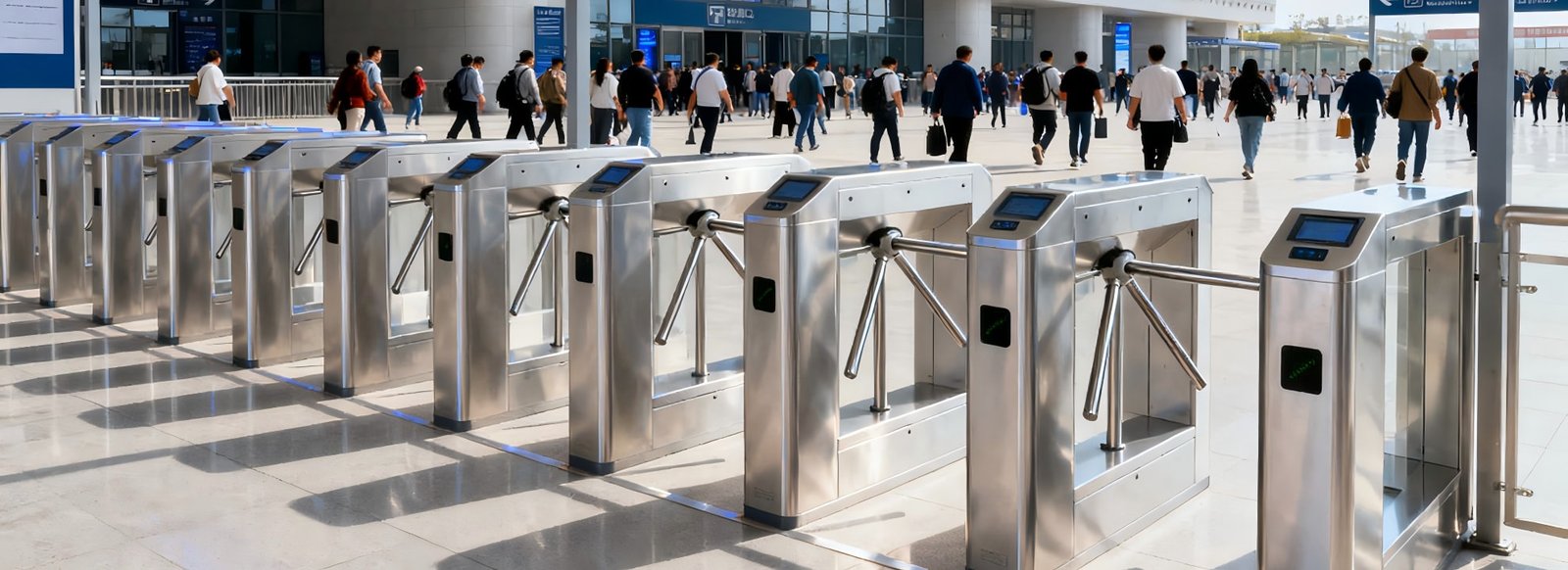
A tripod turnstile gate is a mechanical access control barrier with three rotating arms designed to allow one person to pass at a time. When connected to an access control system, the gate unlocks only after valid authentication.
Tripod turnstiles are commonly used in:
Office buildings
Factories and warehouses
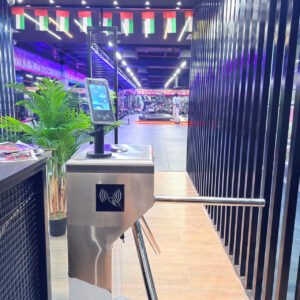
Gyms and fitness centers
Schools and campuses
Public transportation facilities
Their popularity comes from simple structure, high durability, and low operating cost.
Key Factors to Consider When Choosing a Tripod Turnstile Gate
1. Traffic Volume and Flow Rate
The first factor to evaluate is daily pedestrian traffic. Tripod turnstiles are ideal for medium to high traffic areas, where controlled but steady movement is required.
For extremely high throughput or premium entrances, speed gates may be more suitable. However, tripod turnstiles offer an excellent balance between efficiency and cost for most facilities.
2. Security Level Requirements
Tripod turnstile gates provide basic to medium-level security. They are effective at:
Preventing tailgating
Restricting unauthorized access
Enforcing one-person-per-entry
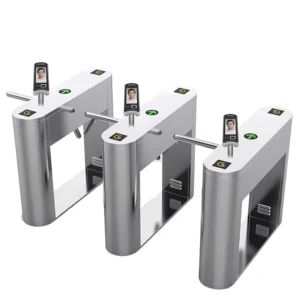
For environments requiring higher security, tripod turnstiles can be combined with biometric access control, such as fingerprint, facial recognition, or palm vein systems.
3. Industrial vs Commercial Application
The operating environment plays a key role in turnstile selection.
Industrial tripod turnstiles should be designed for durability and long-term operation in demanding conditions.
Commercial tripod turnstiles often focus on aesthetics, compact design, and smooth user experience.
Understanding your application helps you choose the right materials, design, and technical specifications.
4. Access Control Integration Options
Modern tripod turnstile gates should support seamless integration with access control systems, including:
RFID or IC card readers
QR code scanners
Fingerprint or facial recognition devices
Time attendance and workforce management software
Compatibility ensures the turnstile can adapt to future upgrades and system expansions.
5. Indoor or Outdoor Installation
Installation location is another critical factor.
Indoor turnstiles prioritize compact size and design consistency.
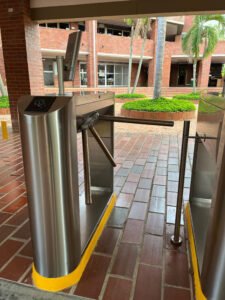
Outdoor tripod turnstiles require protection against weather conditions, corrosion, and temperature changes.
Always confirm environmental ratings and protective features when planning outdoor installations.
6. Safety and Emergency Features
Safety should never be overlooked. Key features to consider include:
Drop-arm or free-passage mode during emergencies
Power-off unlocking for safe evacuation
Smooth arm rotation to prevent injuries
These features ensure compliance with safety regulations and provide peace of mind for facility managers.
7. Maintenance and Long-Term Reliability
Tripod turnstiles are known for low maintenance requirements, but build quality still matters. A reliable turnstile should offer:
Stable mechanical structure
Smooth operation over long periods
Easy access for servicing
Choosing a dependable supplier reduces downtime and operational costs.
Common Use Cases for Tripod Turnstile Gates
Tripod turnstile gates are widely used in:
Office entrances and staff access areas
Factory and warehouse workforce entry points
Gym member check-in zones
Public transport stations and terminals
Their flexibility makes them suitable for both access control and attendance tracking.
Conclusion
Choosing the right tripod turnstile gate requires careful consideration of traffic flow, security needs, system integration, and installation environment. When properly selected, a tripod turnstile provides a reliable, cost-effective, and scalable access control solution for industrial and commercial projects.
By working with an experienced supplier and planning for future integration, businesses can ensure their access control systems remain efficient, secure, and easy to manage over time.