
Access Control Turnstile Gate for Secure Entry Management

In today’s security-conscious world, organizations need solutions that combine convenience, efficiency, and high-level protection. Traditional access methods such as keys, PIN codes, or manual guard checkpoints often fall short due to theft, duplication, or human error.

An Access Control Turnstile Gate provides a modern solution for secure entry management, offering automated verification, controlled access, and real-time monitoring. By integrating biometric authentication, QR code scanning, and NFC technology, these systems not only improve security but also enhance operational efficiency.

This article explores the advantages of access control turnstile gates, their working principles, types, industry applications, and best practices for deployment.

What Is an Access Control Turnstile Gate?

An Access Control Turnstile Gate is a physical barrier system designed to regulate pedestrian flow while ensuring authorized access only. Unlike traditional doors, turnstiles allow one-person-at-a-time passage, preventing unauthorized entry and tailgating.

Modern systems combine physical barriers with digital access control technologies, including:

  • Biometric authentication (facial recognition, fingerprint scanning, palm vein verification)

  • QR code scanning

  • NFC-enabled access cards or devices

By using these technologies, turnstile gates provide a seamless and secure entry experience for employees, visitors, and contractors.

How Access Control Turnstile Gates Work

The operation of an Access Control Turnstile Gate involves several steps:

  1. User Registration: Users register their credentials, such as biometric data, QR code, or NFC card.

  2. Verification: At the gate, the system scans and validates the credential in real time.

  3. Access Approval: If verification is successful, the turnstile opens, allowing entry.

  4. Logging and Monitoring: Each access attempt is recorded in the system for auditing and reporting.

This automated process minimizes the need for manual checks, improves security, and allows management to monitor access efficiently.

Types of Access Control Turnstile Gates

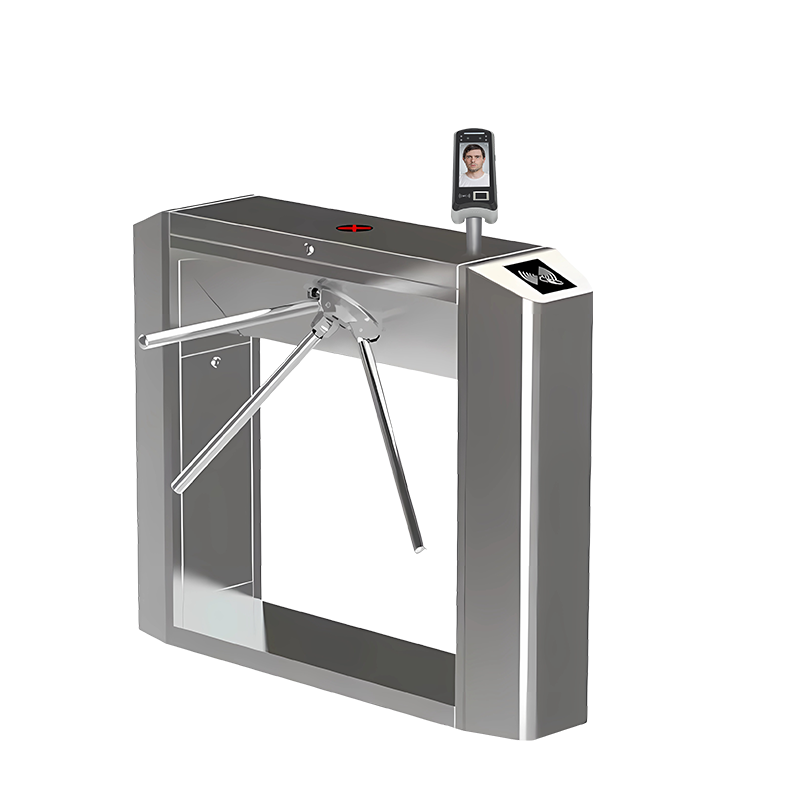
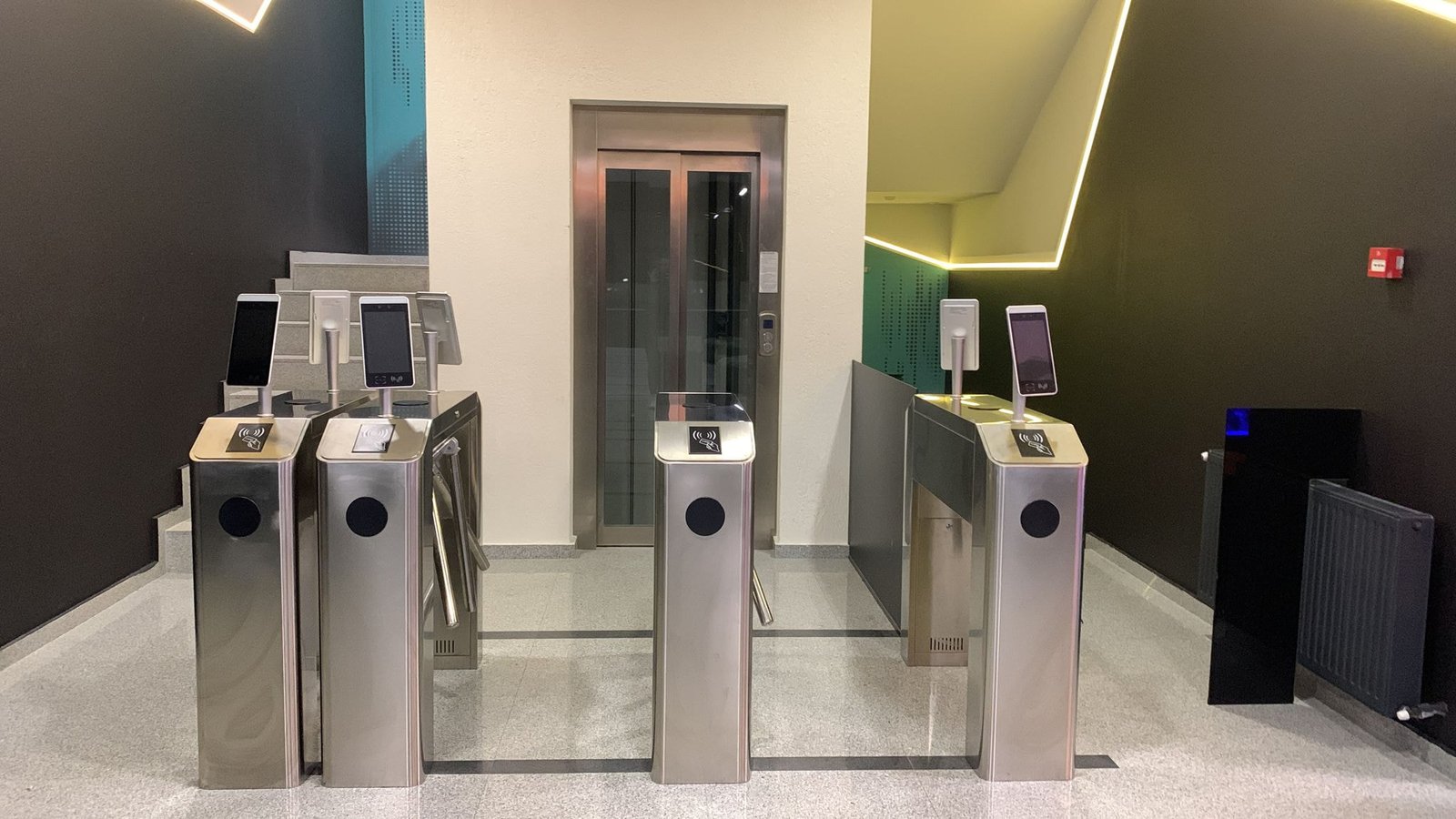
Tripod Turnstiles

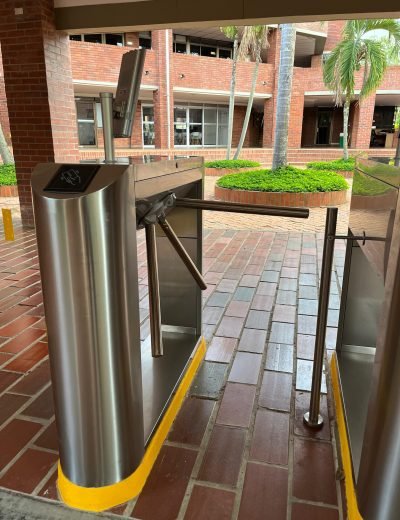
Simple and cost-effective, tripod turnstiles are suitable for moderate traffic areas such as offices and small industrial sites.
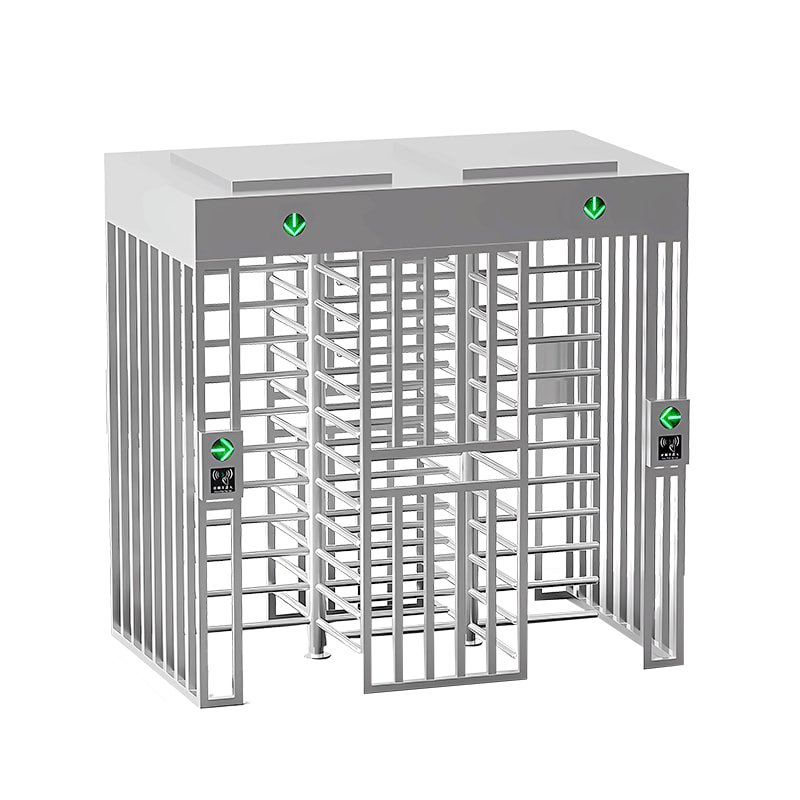
Full-Height Turnstiles

These offer maximum security by creating a complete physical barrier, ideal for high-risk areas such as data centers or power plants.

Swing Gates

Swing gates combine elegant design with security, commonly used in corporate lobbies and commercial buildings.
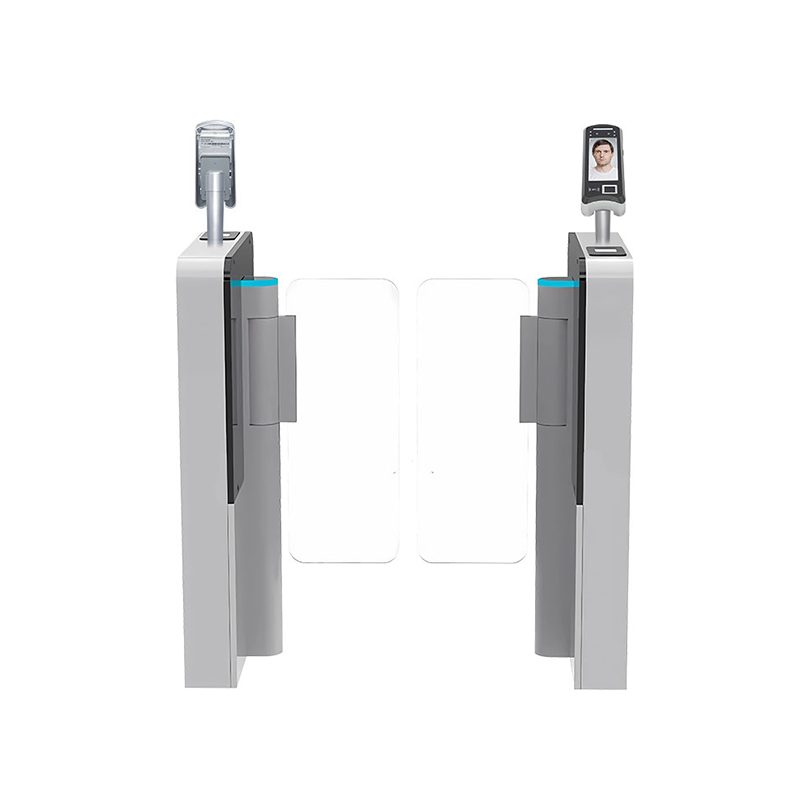
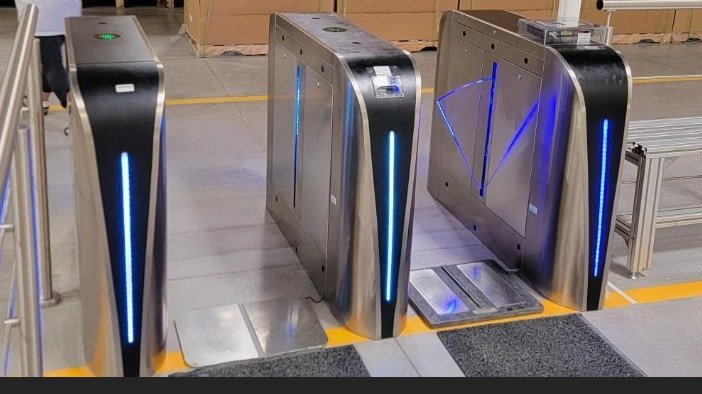
Speed Gates

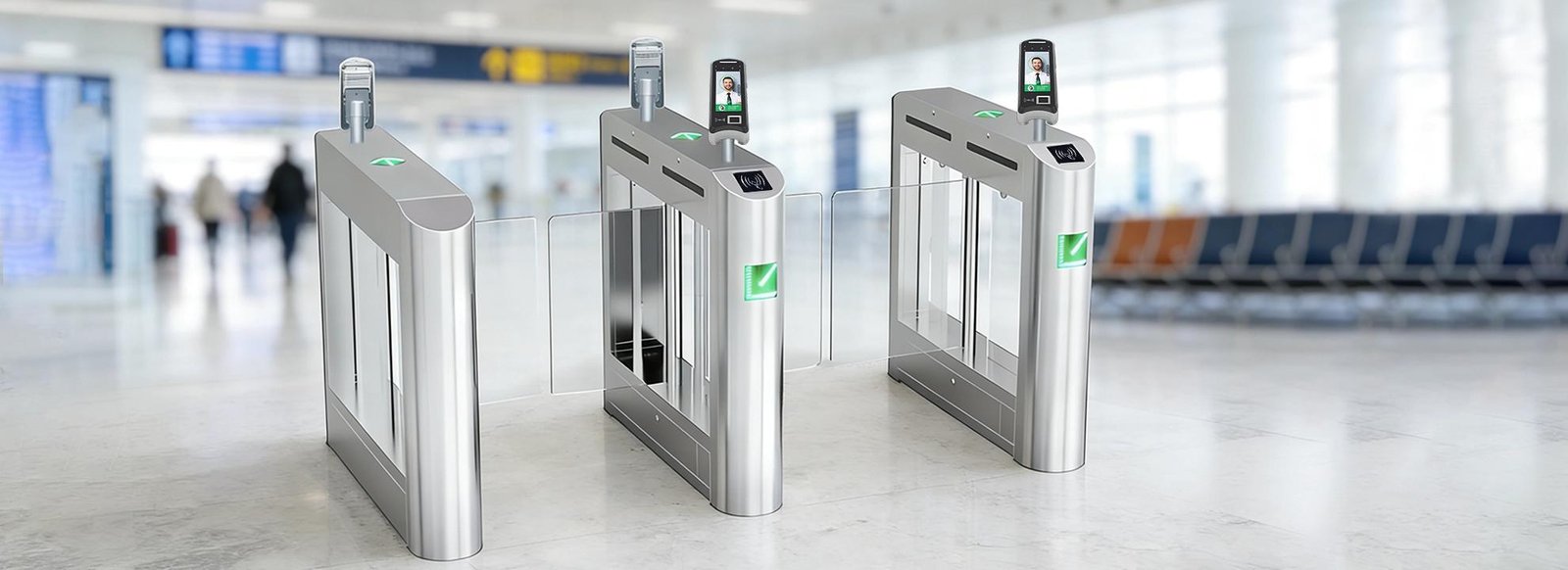
Speed gates are high-speed turnstiles that integrate biometric or card-based access control, ideal for high-traffic environments like airports and metro stations.
Key Features of Modern Access Control Turnstile Gates

1. Biometric Authentication

Biometric verification such as facial recognition, fingerprint scanning, or palm vein recognition ensures that only authorized individuals gain entry. This feature reduces fraud, prevents unauthorized access, and supports contactless and hygienic authentication, making it ideal for offices, data centers, and high-security areas.

2. QR Code Access

QR code scanning allows quick and flexible entry for temporary staff, visitors, or event participants. With dynamic, time-limited codes, Access Control Turnstile Gates provide secure visitor management while reducing administrative workload.

3. NFC Integration

NFC-enabled cards or smartphones offer fast, secure, and contactless authentication. By supporting digital credentials, turnstile gates can streamline access for employees or frequent users and integrate with mobile access systems.

4. Anti-Tailgating Protection

Sensors in the gate prevent multiple users from entering simultaneously. If tailgating or unauthorized entry is detected, alarms can trigger, and the system can notify security personnel in real time, ensuring secure entry management at all times.

5. Real-Time Monitoring

Modern gates log each entry attempt, track user activity, and generate reports. This allows facility managers to monitor traffic flow, detect unusual behavior, and optimize access control policies efficiently.

Benefits of Access Control Turnstile Gates

  • Enhanced Security: Combines physical barriers with digital verification to prevent unauthorized access.

  • Operational Efficiency: Automated authentication reduces queue times and manual checks.

  • Scalability: Can be deployed in small offices or large enterprises with multiple entry points.

  • Contactless Operation: Supports hygienic access through biometric and mobile credential verification.

  • Integration with Management Systems: Can be linked to attendance, visitor management, and building automation systems.

Applications Across Industries

Corporate Offices

Manage employee access, visitor flow, and meeting room entry efficiently while ensuring security.

Industrial Facilities

Control entry to sensitive areas, track workforce attendance, and ensure safety compliance.

Airports and Transportation Hubs

Provide fast and secure verification for passengers and staff, improving traffic flow and security.

Event Venues and Stadiums

Ensure ticketed entry with QR code verification while preventing unauthorized access.

Financial Institutions and Data Centers

High-security environments benefit from multi-layered access control and detailed entry logs.

Best Practices for Implementing Access Control Turnstile Gates

  • Assess Security Needs: Identify high-risk areas and select turnstile types accordingly.

  • Integrate Multiple Authentication Methods: Combine biometrics, QR codes, and NFC for multi-factor security.

  • Regular Maintenance: Ensure gates and access control systems are routinely checked for reliability.

  • User Training: Educate staff and visitors on using the system effectively.

  • Centralized Management: Use software platforms to monitor access, generate reports, and manage credentials efficiently.

Future Trends in Turnstile Access Control

Emerging trends in Access Control Turnstile Gates include:

  • AI-powered facial recognition for faster, more accurate authentication

  • Mobile and cloud-based access control solutions

  • Integration with IoT-enabled building automation

  • Multi-modal authentication combining biometrics, QR codes, and NFC

  • Enhanced analytics for traffic flow and security optimization

These trends indicate that turnstile gates will continue evolving to meet the needs of secure, high-traffic environments.

Conclusion

An Access Control Turnstile Gate is a modern, efficient, and secure solution for entry management. By integrating biometric authentication, QR code scanning, and NFC technology, organizations can:

  • Enhance security

  • Streamline pedestrian flow

  • Reduce administrative workload

  • Enable multi-factor authentication

  • Achieve real-time monitoring and reporting

Whether deployed in offices, industrial facilities, airports, or high-security environments, access control turnstile gates provide a reliable foundation for secure entry management.

FAQ

What is an access control turnstile gate?

It is a physical barrier system that regulates pedestrian entry using digital authentication methods like biometrics, QR codes, and NFC.

Turnstiles allow only one person per authentication, preventing tailgating or forced entry.

Yes. They can integrate with facial recognition, fingerprint scanners, and palm vein authentication for multi-factor security.

Corporate offices, industrial facilities, airports, event venues, banks, and data centers are ideal applications.

Yes. With biometric or NFC authentication, users can gain entry without touching the gate, ensuring hygienic operation.

Scroll to Top
Get Quote