
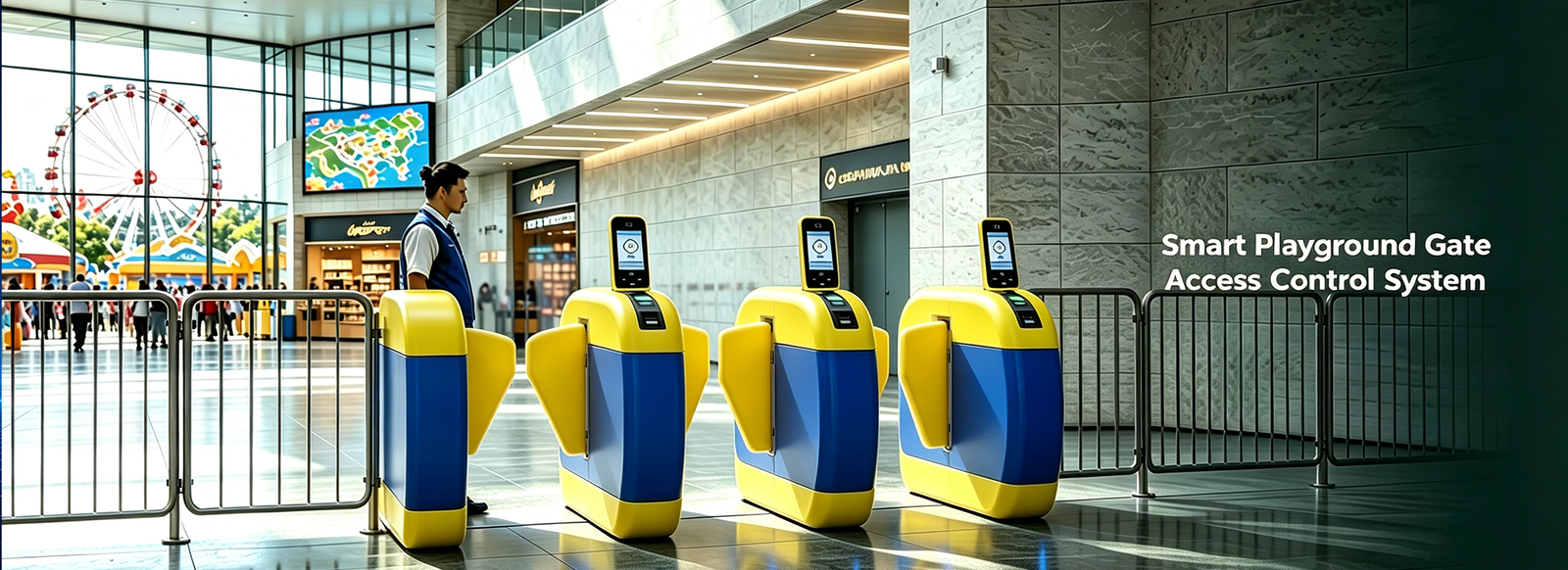
Managing visitor access efficiently is an important part of modern amusement park operations. During busy periods, large numbers of visitors may arrive at the same time, making manual ticket checking and entrance control more difficult.
A smart turnstile access control solution can help amusement parks create a more organized entry process by combining turnstile gates with different verification methods. From QR codes and tickets to RFID cards, wristbands, and biometrics, the access method can be selected according to the park’s visitor management model.
For children’s play centers and family entertainment venues, wristband-based access can also connect entry and exit management into a closed-loop process.
Why Amusement Parks Need Smart Access Control
An amusement park entrance is more than a simple passage point. It is where visitor verification, access authorization, crowd movement, and security come together.
During peak periods, entrance staff may need to process large numbers of visitors within a limited time. As a result, manually checking tickets or relying entirely on staff-controlled gates can create queues and increase the workload of entrance personnel.
A smart access control system helps automate this process.
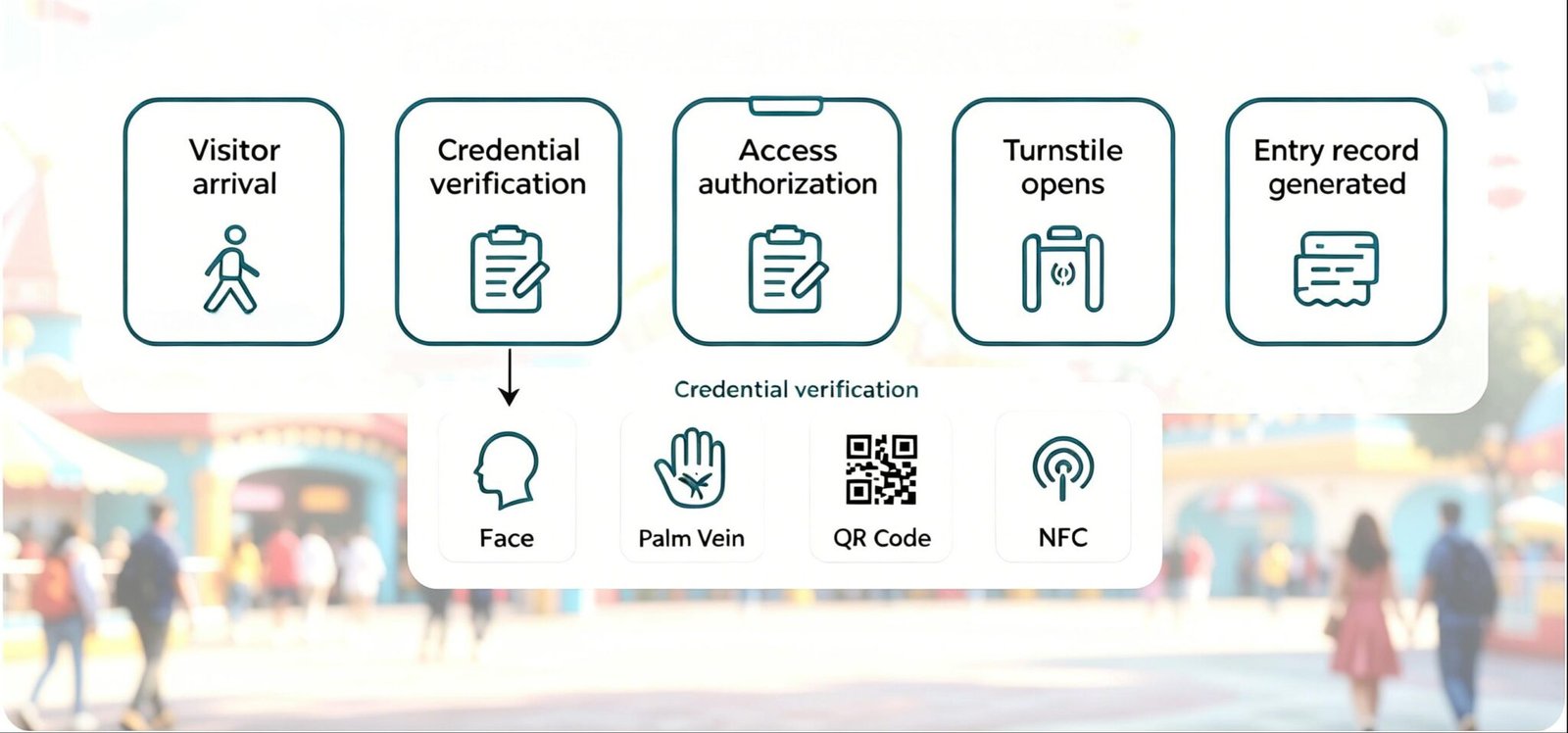
Depending on the park’s requirements, visitors can be verified through QR codes, tickets, cards, wristbands, or biometric identification before the turnstile allows access.
A typical access process can be organized as:
Visitor arrival → Credential verification → Access authorization → Turnstile opens → Entry record generated
At the same time, access records can provide useful information for daily park management and visitor flow monitoring.
Smart Turnstiles for Amusement Park Entry
Turnstile gates provide a physical access point between public and controlled areas. When connected with an access control system, they can automatically allow or restrict entry based on the visitor’s verification result.
Different amusement park environments may require different types of turnstiles, such as tripod turnstiles, swing gates, flap barriers, speed gates, or full-height turnstiles.
The suitable configuration can be selected according to:
- Visitor volume and peak-hour traffic
- Entrance layout and available space
- Indoor or outdoor installation
- Required security level
- Verification method
- System integration requirements
For example, high-traffic visitor entrances may prioritize fast and convenient passage, while staff entrances or restricted areas may require stronger access control.
Therefore, the turnstile is not simply a physical gate. It works as part of an integrated amusement park access control solution.
Flexible Verification Methods for Different Visitors
Every amusement park has different ticketing and visitor management requirements. A flexible access control system can therefore support multiple verification methods within the same overall solution.
1. QR Code and Ticket Verification
QR code verification is suitable for digital tickets, online bookings, and temporary visitor passes.
After the QR code or ticket is verified, the system can authorize access and trigger the turnstile to open. This can reduce manual ticket inspection and help maintain a smoother visitor flow during busy periods.
2. Card-Based Access Control
RFID cards can be used for employees, members, VIP visitors, or other authorized users.
For example, employees can use cards to access staff-only areas, while members or VIP guests can be assigned access rights for specific entrances or facilities.
This provides operators with a convenient way to manage different visitor and employee groups through the same access control infrastructure.
Wristband Access for Children's Play Areas
Wristband-based access is particularly suitable for children’s amusement parks, indoor playgrounds, and family entertainment centers.
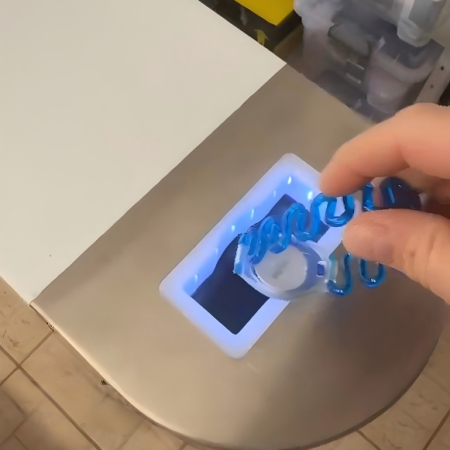
Instead of carrying a traditional ticket or access card, children can wear an RFID wristband after entering the venue. Since the credential remains on the child’s wrist, it is less likely to be misplaced while playing.
The wristband can then be used for access verification throughout the visit.
A typical process can be:
Wristband Issuance → Entry Verification → Access to Play Areas → Exit Verification → Wristband Collection
Biometric Identification
Biometric verification provides another option for identity-based access control.
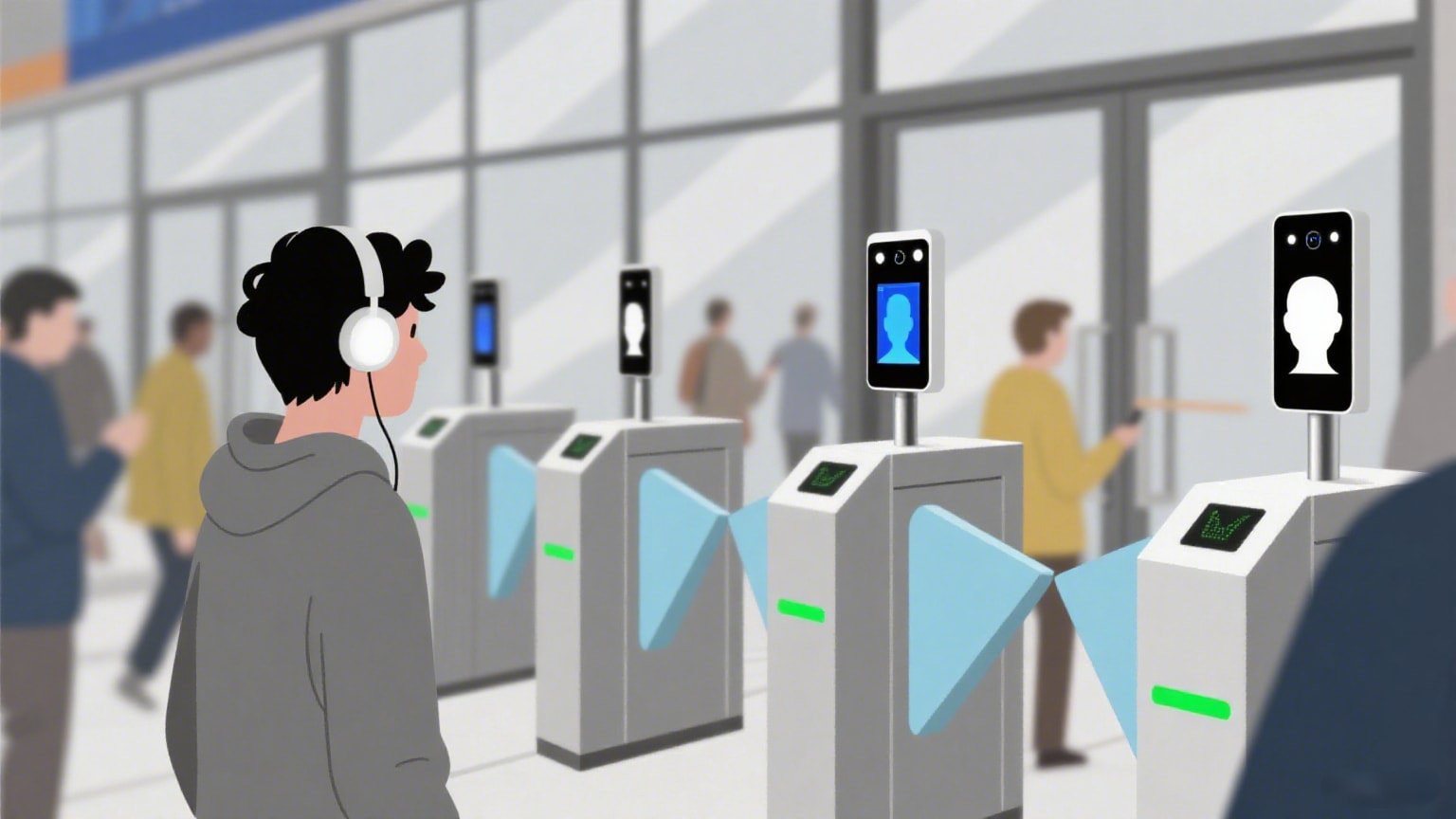
Face recognition or palm vein recognition can be considered for scenarios where the park needs to associate access with a registered individual.
For example, biometric access can be used for:
- Staff entrances
- Restricted operational areas
- Membership access
- VIP access
- Administrative areas
By combining different verification methods, an amusement park can use the access method that best matches each application instead of relying on a single credential type.
Managing Visitor Flow and Restricted Areas
Visitor access control is not limited to the main entrance.
A well-designed amusement park access control system can support different areas with different authorization rules. General visitors may enter through ticket or QR code verification, while employees, VIP members, and restricted-area personnel can use cards or biometric credentials.
Multiple turnstiles can also be deployed across different entrances to create clearly defined access channels.
For large amusement parks, this approach can help organize:
- Main visitor entrances
- Children’s play areas
- VIP and membership entrances
- Staff entrances
- Administrative areas
- Maintenance and equipment areas
- Restricted operational zones
As a result, the same access control concept can support both visitor flow management and internal access security.
Centralized Access Management

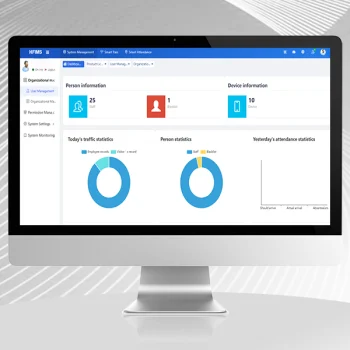
When an amusement park has multiple entrances and access points, centralized management becomes increasingly important.
A centralized platform can provide operators with a clearer view of connected access devices and access records, depending on the system configuration.
Management functions can include:
- User and credential management
- Access permission settings
- Entry and exit records
- Device management
- Visitor access records
- Employee access management
- Reports and data export
This allows operators to manage different access points within a more structured system instead of handling each entrance separately.
Furthermore, centralized records can help management teams review access activity and maintain better visibility across different areas of the venue.
Building a Smarter Amusement Park Access Experience
A smart turnstile access control solution can help amusement parks create a more efficient and organized approach to visitor management. By combining turnstile gates with flexible verification methods such as QR codes, tickets, cards, wristbands, and biometrics, different access requirements can be managed within one solution.
For children’s play areas, wristband-based access with an exit collection function can further connect visitor entry and exit into a simple closed-loop process. At the same time, centralized access management provides operators with better visibility over access permissions and records.
With the right combination of turnstiles, verification technologies, and management systems, amusement parks can build an access control solution around their actual visitor flow and operational needs.
Contact HFSecurity to discuss your amusement park access control requirements and find a suitable turnstile solution for your project.
Frequently Asked Questions
What verification methods can amusement park turnstiles support?
Amusement park turnstiles can support QR codes, tickets, RFID cards, wristbands, and biometric verification such as face or palm vein recognition, depending on the project requirements.
Can RFID wristbands be used for children's play areas?
Yes. RFID wristbands can be used as visitor credentials for children’s play areas. With a suitable turnstile configuration, the wristband can also be collected at the exit for reuse.
Can turnstiles manage both visitors and employees?
Yes. Different access permissions can be assigned to visitors, employees, VIP members, and other user groups, allowing the same system to manage different access areas.
Can amusement park turnstiles connect with an existing ticketing system?
Yes. Turnstiles can be integrated with existing ticketing or management systems depending on the system architecture and project requirements.
Which type of turnstile is suitable for an amusement park?
The choice depends on visitor flow, entrance layout, available space, security requirements, and the selected verification method. Tripod turnstiles, swing gates, flap barriers, speed gates, and full-height turnstiles can be considered for different applications.
Can access records be managed centrally?
Yes. A centralized management system can be used to manage users, access permissions, devices, and entry or exit records across multiple access points.