
In today’s financial environment, security is no longer limited to vaults and surveillance cameras. Banks now face increasing challenges such as unauthorized access, identity fraud, and unmanaged visitor flow. To address these risks, many financial institutions are adopting turnstile gate access control systems as part of their modern security infrastructure.
Turnstile gates provide a physical and intelligent barrier that helps regulate entry, verify identity, and improve overall operational safety inside banking environments.
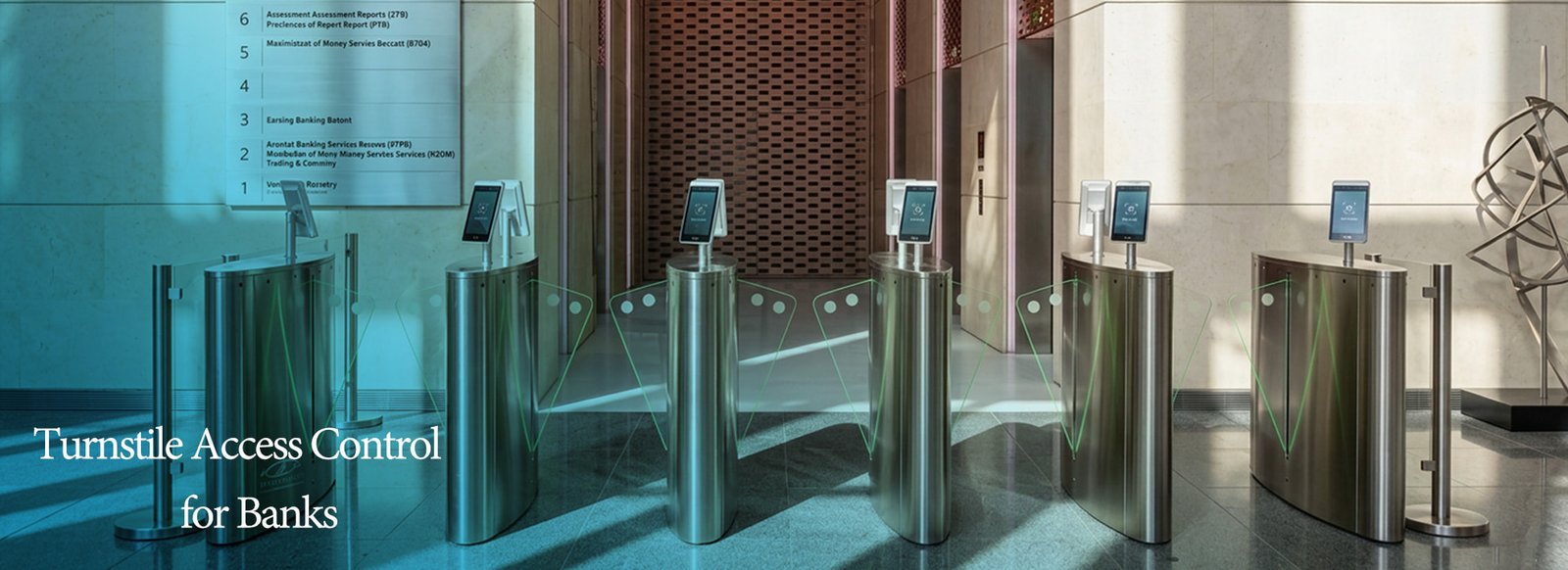
The Role of Turnstile Gates in Bank Security
Turnstile gates are designed to control pedestrian access by allowing only one person to pass at a time after successful authentication. In banks, this system acts as the first layer of security before entering sensitive areas such as customer service zones, staff-only sections, or data centers.
By combining physical barriers with electronic verification methods, turnstile systems significantly reduce the risk of unauthorized access.
Key Ways Turnstile Gates Improve Banking Security
1. Controlled Access to Restricted Areas
One of the primary advantages of turnstile gates is strict access control. Unlike traditional doors, turnstiles ensure that each individual is authenticated before entry, preventing tailgating or unauthorized group access.
This is especially important in banks where sensitive financial operations and customer data are handled daily.
2. Integration with Biometric Authentication
Modern turnstile systems can be integrated with biometric technologies such as fingerprint recognition, facial recognition, or palm vein scanning. This adds an additional layer of identity verification beyond physical access control.
Biometric integration ensures that only authorized personnel or verified customers can enter restricted banking areas, reducing the risk of identity fraud.
3. Improved Visitor Management
Banks often receive a high volume of visitors daily, including customers, contractors, and delivery personnel. Turnstile systems help streamline visitor flow by registering and verifying individuals before entry.
This improves security while also reducing congestion at entry points, creating a more organized and professional environment.
4. Real-Time Monitoring and Data Tracking
Modern access control systems provide real-time monitoring of entry and exit activities. Banks can track who enters specific areas, at what time, and how frequently.
This data is valuable for security audits, compliance requirements, and internal investigations if any security incidents occur.
5. Reduced Human Error and Security Dependency
Traditional security methods often rely heavily on manual checks by security staff. Turnstile gates reduce this dependency by automating the verification process.
This minimizes human error, improves consistency, and allows security personnel to focus on higher-level monitoring tasks.
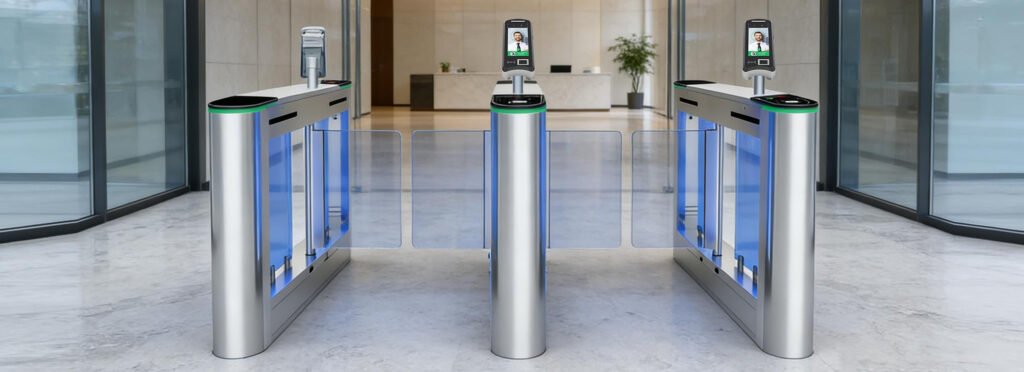
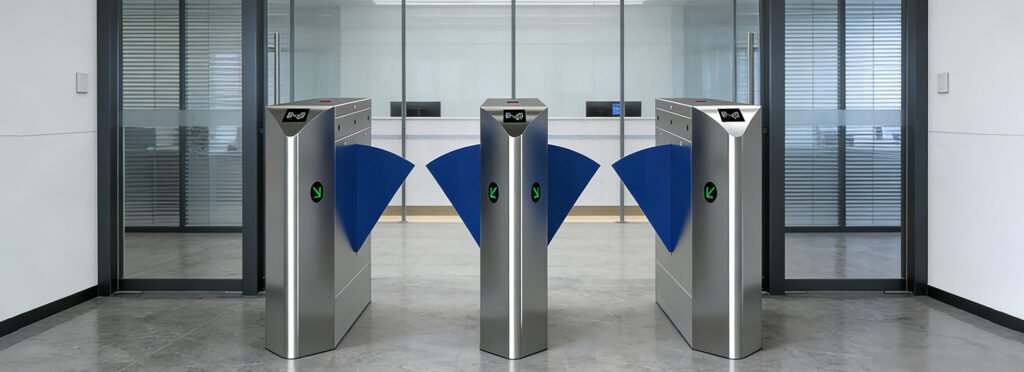
Applications of Turnstile Gates in Banking Environments
Main Entrance Security
Turnstile gates are commonly installed at bank entrances to ensure that only verified individuals can enter the building.
Employee Access Control
Banks use turnstile systems to separate public areas from staff-only zones, ensuring secure internal operations.
Data Center Protection
Sensitive banking data centers require strict access control, often supported by biometric-enabled turnstile gates.
ATM and Self-Service Areas
Some financial institutions also use turnstiles to regulate access to ATM rooms during off-hours for added security.
Why Banks Are Adopting Smart Access Control Systems
The financial sector is increasingly moving toward digital and automated security solutions. Turnstile gate systems fit perfectly into this transformation by combining physical security with smart technologies.
Key reasons for adoption include:
- Increased security requirements in financial institutions
- Rising identity fraud and unauthorized access risks
- Demand for automated and efficient visitor management
- Integration with biometric and AI-based systems
- Improved compliance with security regulations
Future of Bank Security Systems
As technology continues to evolve, turnstile gates are expected to become more intelligent and connected. Future systems will likely include:
- AI-powered behavior analysis
- Cloud-based access control management
- Multi-biometric authentication (face, fingerprint, palm vein)
- Mobile credential access systems
- Fully integrated smart banking security ecosystems
These advancements will further strengthen security while improving user convenience.
Conclusion
Turnstile gate systems play an essential role in improving security in modern banks. By combining physical access control with advanced authentication technologies, they help financial institutions prevent unauthorized access, improve visitor management, and enhance operational efficiency.
As banking security continues to evolve, turnstile-based access control systems will remain a key component of safe and intelligent financial environments.