
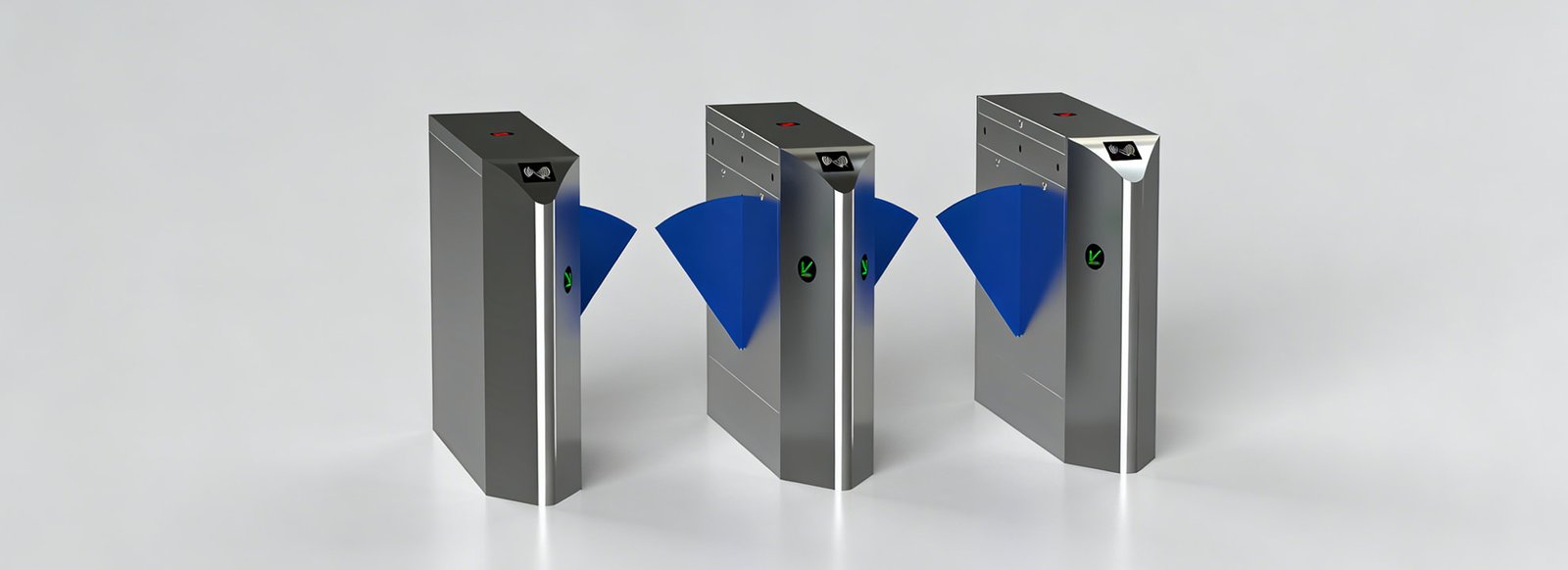
In modern security systems, controlling access efficiently is critical for both safety and operational management. A Turnstile Gate with Card Reader provides a secure and convenient solution for regulating entry in offices, commercial buildings, factories, and public spaces. By combining physical barriers with smart card-based authentication, this system ensures that only authorized personnel gain access while maintaining a smooth flow of traffic.
Turnstile gates integrated with card readers are ideal for organizations looking to upgrade traditional locks or manual security checkpoints. They deliver both enhanced security and operational efficiency.
What Is a Turnstile Gate with Card Reader?
A Turnstile Gate with Card Reader is an access control system that combines a physical turnstile barrier with electronic card authentication. Users swipe or tap their access card on the reader to gain entry. Once authorized, the turnstile allows passage while logging the access event for security or attendance purposes.
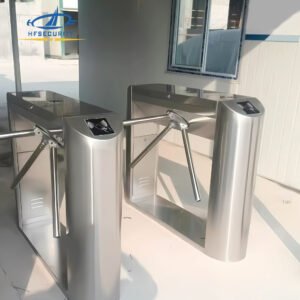
Key components include:
Turnstile mechanism – physical barrier that regulates entry.
Card reader – RFID, NFC, or proximity-based reader that validates access credentials.
Control unit – processes card data and triggers gate operation.
Software integration – optional management platform for monitoring access events.
This combination ensures that only authorized users pass through, while providing a record of entry and exit events.
Key Features of a Turnstile Gate with Card Reader
1. Enhanced Security
By integrating a card reader with a turnstile, organizations can:
Prevent unauthorized access
Reduce the risk of tailgating or bypassing security
Monitor every entry in real-time
This makes the system suitable for offices, factories, schools, and restricted facilities.
2. Efficient Access Management
A turnstile gate with card reader ensures smooth and controlled access:
Fast processing reduces waiting time for employees and visitors
Supports large numbers of users during peak hours
Integrates with attendance systems for workforce tracking
Efficiency and security go hand-in-hand, making the system ideal for busy facilities.
3. Multiple Card Technologies
Modern card readers support:
RFID cards
NFC-enabled cards or smartphones
Proximity cards
This flexibility allows organizations to adopt the card technology that best fits their security requirements.
4. Integration with Access Control Software
Turnstile gates with card readers can connect to access control software for:
Real-time monitoring
Automated reporting
Remote configuration and management
Access scheduling and restriction
Integration allows facility managers to efficiently manage personnel flow while keeping detailed records.
5. Durable and Low-Maintenance Design
Turnstile gates are built for heavy use and can withstand continuous operation in high-traffic areas. Materials are typically:
Stainless steel or tempered glass for durability
Corrosion-resistant components for outdoor installations
Low maintenance ensures long-term reliability and reduces operational costs.
Applications of Turnstile Gates with Card Readers
The versatility of turnstile gates with card readers makes them suitable for a wide range of applications:
Corporate Offices
Control employee and visitor access
Integrate with attendance systems for payroll tracking
Commercial Buildings
Secure retail or office complexes
Manage multiple entry points efficiently
Educational Institutions
Regulate student and staff access
Prevent unauthorized entry to restricted areas
Transportation Hubs
Control passenger flow in subways, train stations, and airports
Ensure security compliance and crowd management
Industrial and Manufacturing Sites
Secure sensitive areas or hazardous zones
Track staff movements for operational safety
By providing both security and operational efficiency, turnstile gates with card readers are a reliable solution across industries.
Benefits of Using a Turnstile Gate with Card Reader
1. Stronger Access Authorization Control
A Turnstile Gate with Card Reader ensures that entry is strictly permission-based. Access rights can be assigned by department, time schedule, or security level, allowing organizations to manage restricted areas more precisely. This structured access control improves internal security policies without relying on manual supervision.
2. Reliable Entry Data for Management Analysis
Every card authentication generates digital records that can be used for reporting and compliance. When integrated with an access management system, a card reader turnstile supports data-driven decisions, such as identifying peak traffic hours or reviewing movement history within sensitive zones.
This level of visibility strengthens operational oversight.
3. Optimized Space and Crowd Regulation
Unlike open-door systems, a turnstile gate creates a controlled passage lane. This design helps guide user flow, maintain order, and reduce uncontrolled entry during busy periods. For facilities managing large numbers of employees or visitors, structured entry management improves both safety and efficiency.
4. Flexible Credential Compatibility
Modern turnstile gates with card readers support RFID, NFC, and even mobile credentials. This flexibility allows businesses to upgrade their access control infrastructure without replacing the entire system. As a result, long-term scalability becomes easier and more cost-effective.
5. Seamless System Integration
A Turnstile Gate with Card Reader can connect with attendance systems, visitor management platforms, or centralized security software. By combining physical access control with digital management tools, organizations achieve unified control over entry points and workforce movement.
Choosing the Right Turnstile Gate with Card Reader
When selecting a system, consider:
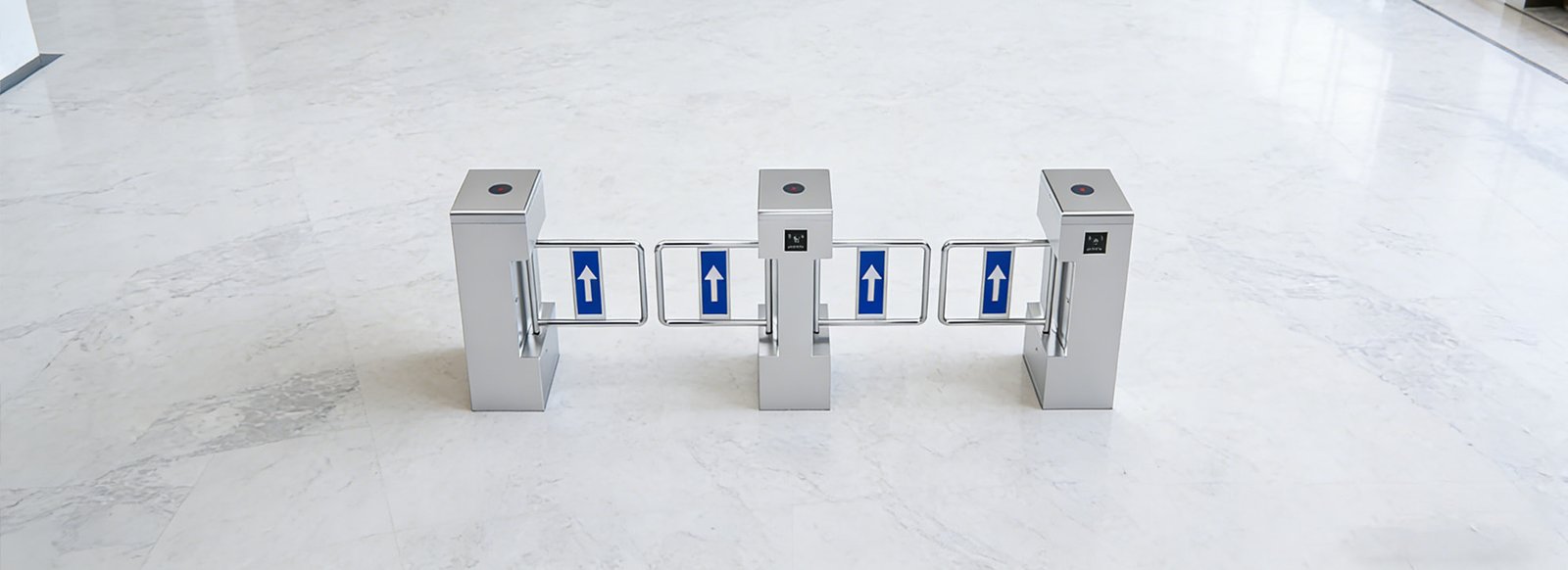
Type of turnstile: tripod, full-height, swing, or speed gate
Card technology: RFID, NFC, or mobile-based access
Integration capabilities: compatibility with attendance or building management software
Traffic volume: choose durable models for high-traffic areas
Additional features: alarm triggers, anti-tailgating sensors, or remote monitoring
Selecting the right combination ensures maximum security, usability, and ROI.
Conclusion
A Turnstile Gate with Card Reader is a practical, secure, and efficient solution for modern access management. By combining physical barriers with smart card authentication, organizations can safeguard their facilities, improve operational efficiency, and track entry and exit events accurately.
For offices, commercial spaces, industrial sites, and public facilities, investing in a turnstile gate with card reader is an essential step toward smart and secure access control. With the ability to integrate with attendance systems and other security solutions, it provides a complete and scalable solution for managing personnel and protecting assets.
FAQ
What is a Turnstile Gate with Card Reader?
A Turnstile Gate with Card Reader is an access control solution that combines a physical turnstile barrier with electronic card authentication. Users must present an authorized card before the gate unlocks, ensuring controlled and traceable entry.
Can a Turnstile Gate with Card Reader integrate with attendance systems?
Yes. Most turnstile gates with card readers can integrate with time and attendance software. This allows organizations to record entry and exit data automatically, improving workforce management and payroll accuracy.
What types of cards are supported?
Modern card reader turnstile systems typically support RFID cards, NFC cards, and in some cases mobile credentials. The compatibility depends on the selected reader module.
Is a Turnstile Gate with Card Reader suitable for high-traffic areas?
Yes. Turnstile access control systems are designed for continuous operation and can efficiently manage large volumes of users during peak hours while maintaining secure access regulation.
How secure is a Turnstile Gate with Card Reader compared to traditional access methods?
Compared to manual security checks or standard door locks, a turnstile gate with card reader provides automated authentication, digital access logs, and centralized control. This significantly improves overall access management and facility security.